Issues and Debates in Cyberpsychology
“With its accessible presentation style and its focus on ‘scientifically sound’ practices, this book benefits the public, students, and researchers alike.”
Prof Lynne Coventry, Director of PactLab, University of Northumbria, UK
“This book is a valuable guide to anyone seeking to further explore current thinking in the field.”
Dr Rachel Harrad, Lecturer in Psychology, Swansea University, UK
“This book provides an accessible and engaging introduction to a wide range of key contemporary issues in cyberpsychology.”
Dr Joanne Lloyd, Senior Lecturer in Cyberpsychology, University of Wolverhampton, UK
This comprehensive and accessibly written book brings together in one place for the first time the wealth of debates within cyberpsychology. Is the distinction between so-called digital natives and digital immigrants meaningful in practice? What is the difference between screen time and screen use, and why has one been pathologized while the other has not? Is social media really bad for wellbeing?
This book considers these issues and more, in depth, with clear, informed resolutions and conclusions no longer being mediated by jargon-filled articles or misrepresentative media headlines.
Key features include:
•Real World Applications boxes, signposting why each debate is pertinent and what the implications may be in practice
•Take Home Messages boxes, helpfully summarising what students need to know and why
Linda K. Kaye is Senior Lecturer in Psychology at Edge Hill University, UK and Chair of the BPS Cyberpsychology section. She is known online as The Cyber Doctor, where she regularly blogs for a broad audience, as well as providing public comment for outlets including The Guardian, Stylist, The Telegraph and The Independent on topics such as internet accessibility and inclusivity, zoom fatigue, and last but not least, what your favourite emoji says about you.
Prof Lynne Coventry, Director of PactLab, University of Northumbria, UK
“This book is a valuable guide to anyone seeking to further explore current thinking in the field.”
Dr Rachel Harrad, Lecturer in Psychology, Swansea University, UK
“This book provides an accessible and engaging introduction to a wide range of key contemporary issues in cyberpsychology.”
Dr Joanne Lloyd, Senior Lecturer in Cyberpsychology, University of Wolverhampton, UK
This comprehensive and accessibly written book brings together in one place for the first time the wealth of debates within cyberpsychology. Is the distinction between so-called digital natives and digital immigrants meaningful in practice? What is the difference between screen time and screen use, and why has one been pathologized while the other has not? Is social media really bad for wellbeing?
This book considers these issues and more, in depth, with clear, informed resolutions and conclusions no longer being mediated by jargon-filled articles or misrepresentative media headlines.
Key features include:
•Real World Applications boxes, signposting why each debate is pertinent and what the implications may be in practice
•Take Home Messages boxes, helpfully summarising what students need to know and why
Linda K. Kaye is Senior Lecturer in Psychology at Edge Hill University, UK and Chair of the BPS Cyberpsychology section. She is known online as The Cyber Doctor, where she regularly blogs for a broad audience, as well as providing public comment for outlets including The Guardian, Stylist, The Telegraph and The Independent on topics such as internet accessibility and inclusivity, zoom fatigue, and last but not least, what your favourite emoji says about you.
Product Information
Product Information
Shipping & Returns
Shipping & Returns
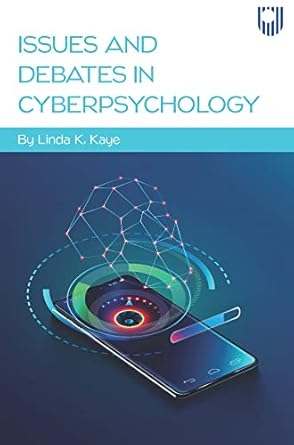
Issues and Debates in Cyberpsychology
Issues and Debates in Cyberpsychology
“With its accessible presentation style and its focus on ‘scientifically sound’ practices, this book benefits the public, students, and researchers alike.”
Prof Lynne Coventry, Director of PactLab, University of Northumbria, UK
“This book is a valuable guide to anyone seeking to further explore current thinking in the field.”
Dr Rachel Harrad, Lecturer in Psychology, Swansea University, UK
“This book provides an accessible and engaging introduction to a wide range of key contemporary issues in cyberpsychology.”
Dr Joanne Lloyd, Senior Lecturer in Cyberpsychology, University of Wolverhampton, UK
This comprehensive and accessibly written book brings together in one place for the first time the wealth of debates within cyberpsychology. Is the distinction between so-called digital natives and digital immigrants meaningful in practice? What is the difference between screen time and screen use, and why has one been pathologized while the other has not? Is social media really bad for wellbeing?
This book considers these issues and more, in depth, with clear, informed resolutions and conclusions no longer being mediated by jargon-filled articles or misrepresentative media headlines.
Key features include:
•Real World Applications boxes, signposting why each debate is pertinent and what the implications may be in practice
•Take Home Messages boxes, helpfully summarising what students need to know and why
Linda K. Kaye is Senior Lecturer in Psychology at Edge Hill University, UK and Chair of the BPS Cyberpsychology section. She is known online as The Cyber Doctor, where she regularly blogs for a broad audience, as well as providing public comment for outlets including The Guardian, Stylist, The Telegraph and The Independent on topics such as internet accessibility and inclusivity, zoom fatigue, and last but not least, what your favourite emoji says about you.
Prof Lynne Coventry, Director of PactLab, University of Northumbria, UK
“This book is a valuable guide to anyone seeking to further explore current thinking in the field.”
Dr Rachel Harrad, Lecturer in Psychology, Swansea University, UK
“This book provides an accessible and engaging introduction to a wide range of key contemporary issues in cyberpsychology.”
Dr Joanne Lloyd, Senior Lecturer in Cyberpsychology, University of Wolverhampton, UK
This comprehensive and accessibly written book brings together in one place for the first time the wealth of debates within cyberpsychology. Is the distinction between so-called digital natives and digital immigrants meaningful in practice? What is the difference between screen time and screen use, and why has one been pathologized while the other has not? Is social media really bad for wellbeing?
This book considers these issues and more, in depth, with clear, informed resolutions and conclusions no longer being mediated by jargon-filled articles or misrepresentative media headlines.
Key features include:
•Real World Applications boxes, signposting why each debate is pertinent and what the implications may be in practice
•Take Home Messages boxes, helpfully summarising what students need to know and why
Linda K. Kaye is Senior Lecturer in Psychology at Edge Hill University, UK and Chair of the BPS Cyberpsychology section. She is known online as The Cyber Doctor, where she regularly blogs for a broad audience, as well as providing public comment for outlets including The Guardian, Stylist, The Telegraph and The Independent on topics such as internet accessibility and inclusivity, zoom fatigue, and last but not least, what your favourite emoji says about you.
$14.03
Original: $46.76
-70%Issues and Debates in Cyberpsychology—
$46.76
$14.03Product Information
Product Information
Shipping & Returns
Shipping & Returns
Description
“With its accessible presentation style and its focus on ‘scientifically sound’ practices, this book benefits the public, students, and researchers alike.”
Prof Lynne Coventry, Director of PactLab, University of Northumbria, UK
“This book is a valuable guide to anyone seeking to further explore current thinking in the field.”
Dr Rachel Harrad, Lecturer in Psychology, Swansea University, UK
“This book provides an accessible and engaging introduction to a wide range of key contemporary issues in cyberpsychology.”
Dr Joanne Lloyd, Senior Lecturer in Cyberpsychology, University of Wolverhampton, UK
This comprehensive and accessibly written book brings together in one place for the first time the wealth of debates within cyberpsychology. Is the distinction between so-called digital natives and digital immigrants meaningful in practice? What is the difference between screen time and screen use, and why has one been pathologized while the other has not? Is social media really bad for wellbeing?
This book considers these issues and more, in depth, with clear, informed resolutions and conclusions no longer being mediated by jargon-filled articles or misrepresentative media headlines.
Key features include:
•Real World Applications boxes, signposting why each debate is pertinent and what the implications may be in practice
•Take Home Messages boxes, helpfully summarising what students need to know and why
Linda K. Kaye is Senior Lecturer in Psychology at Edge Hill University, UK and Chair of the BPS Cyberpsychology section. She is known online as The Cyber Doctor, where she regularly blogs for a broad audience, as well as providing public comment for outlets including The Guardian, Stylist, The Telegraph and The Independent on topics such as internet accessibility and inclusivity, zoom fatigue, and last but not least, what your favourite emoji says about you.
Prof Lynne Coventry, Director of PactLab, University of Northumbria, UK
“This book is a valuable guide to anyone seeking to further explore current thinking in the field.”
Dr Rachel Harrad, Lecturer in Psychology, Swansea University, UK
“This book provides an accessible and engaging introduction to a wide range of key contemporary issues in cyberpsychology.”
Dr Joanne Lloyd, Senior Lecturer in Cyberpsychology, University of Wolverhampton, UK
This comprehensive and accessibly written book brings together in one place for the first time the wealth of debates within cyberpsychology. Is the distinction between so-called digital natives and digital immigrants meaningful in practice? What is the difference between screen time and screen use, and why has one been pathologized while the other has not? Is social media really bad for wellbeing?
This book considers these issues and more, in depth, with clear, informed resolutions and conclusions no longer being mediated by jargon-filled articles or misrepresentative media headlines.
Key features include:
•Real World Applications boxes, signposting why each debate is pertinent and what the implications may be in practice
•Take Home Messages boxes, helpfully summarising what students need to know and why
Linda K. Kaye is Senior Lecturer in Psychology at Edge Hill University, UK and Chair of the BPS Cyberpsychology section. She is known online as The Cyber Doctor, where she regularly blogs for a broad audience, as well as providing public comment for outlets including The Guardian, Stylist, The Telegraph and The Independent on topics such as internet accessibility and inclusivity, zoom fatigue, and last but not least, what your favourite emoji says about you.

