Linking Citizens to Government
Lawrence Rothenberg examines some of the most elusive aspects of interest group operations through an in-depth study of one of the largest interest groups in Washington, Common Cause. In developing what might be called a membership theory, he asks such questions as: why do members join a group? Who stays and who leaves and why? What is the nature of the relationships among the activists, the group leaders and the rank-and-file members? How do these relationships shape the lobbying policies of the group? How is the lobbying impact of a group related to the nature of its membership? In addition, Rothenberg analyses the impact the lobbying efforts of Common Cause have had through case studies of the Congressional vote on the MX missile system and of the agenda setting behind the campaign finance reform bill.
Product Information
Product Information
Shipping & Returns
Shipping & Returns
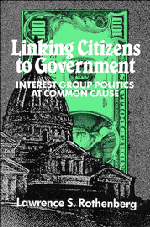
Linking Citizens to Government
Linking Citizens to Government
Lawrence Rothenberg examines some of the most elusive aspects of interest group operations through an in-depth study of one of the largest interest groups in Washington, Common Cause. In developing what might be called a membership theory, he asks such questions as: why do members join a group? Who stays and who leaves and why? What is the nature of the relationships among the activists, the group leaders and the rank-and-file members? How do these relationships shape the lobbying policies of the group? How is the lobbying impact of a group related to the nature of its membership? In addition, Rothenberg analyses the impact the lobbying efforts of Common Cause have had through case studies of the Congressional vote on the MX missile system and of the agenda setting behind the campaign finance reform bill.
Product Information
Product Information
Shipping & Returns
Shipping & Returns
Description
Lawrence Rothenberg examines some of the most elusive aspects of interest group operations through an in-depth study of one of the largest interest groups in Washington, Common Cause. In developing what might be called a membership theory, he asks such questions as: why do members join a group? Who stays and who leaves and why? What is the nature of the relationships among the activists, the group leaders and the rank-and-file members? How do these relationships shape the lobbying policies of the group? How is the lobbying impact of a group related to the nature of its membership? In addition, Rothenberg analyses the impact the lobbying efforts of Common Cause have had through case studies of the Congressional vote on the MX missile system and of the agenda setting behind the campaign finance reform bill.